Creating Safe Spaces for Families: A Call for Improved Public Areas
December 31, 2024 - 21:46
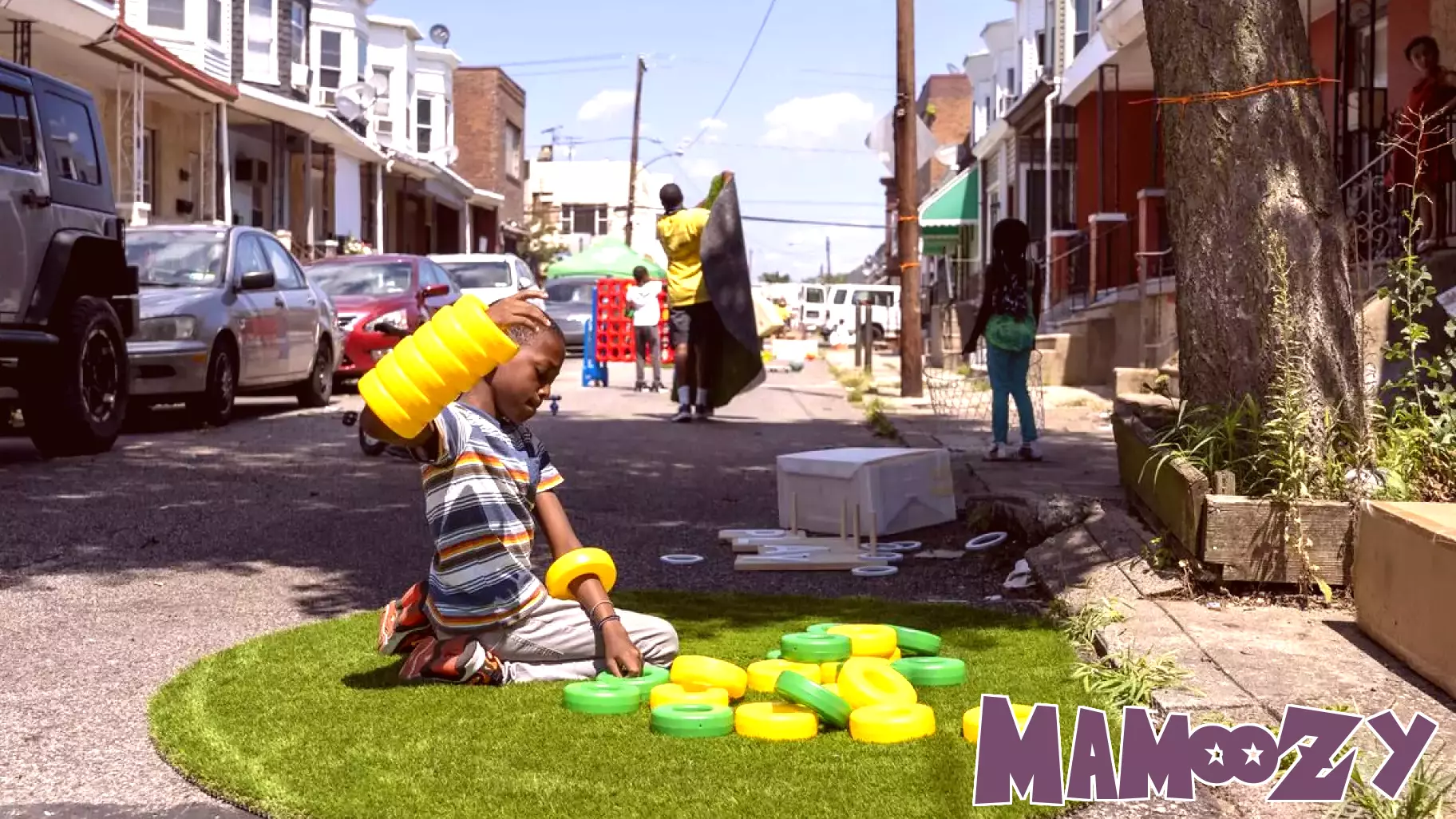
In today’s fast-paced world, many parents are feeling the weight of burnout as they juggle work, household responsibilities, and childcare. To alleviate some of this stress, there is an urgent need for better public spaces where children can play and families can unwind.
Designing parks, playgrounds, and community areas that are accessible and safe can provide much-needed relief for parents. These spaces should encourage children to explore, socialize, and engage in physical activities, allowing them to develop essential skills while giving parents a moment to relax.
Moreover, incorporating amenities such as seating areas, shade, and restrooms can enhance the overall experience for families. By fostering environments that promote outdoor play and community interaction, we can not only support the well-being of children but also help parents recharge.
Investing in these public spaces is crucial for building healthier communities and ensuring that families have the resources they need to thrive.
MORE NEWS

October 28, 2026 - 04:21
AI is supposed to give parents time back. Marissa Mayer’s viral anecdote shows how complicated that promise can beA viral anecdote from Marissa Mayer is raising questions about how much of parenting should be handed off to artificial intelligence. The former Yahoo executive said she used an AI assistant to...

October 27, 2026 - 00:37
Why Giving Kids More Freedom Builds ConfidenceA mother who handed her five year old son a pocket knife says she is proud to be a risky parent. She argues that extreme play is officially good for children, though she already knew that from...

October 26, 2026 - 02:45
Pastor Combines Full-Size Candy Bars With Faith Outreach on HalloweenPastor Jonathan `JP` Pokluda has a Halloween plan that starts with a well-stocked candy bowl and a chance to share Jesus. The pastor, known for his candid approach to cultural topics, says the...

October 25, 2026 - 11:36
Fallout from Yang Hong-won’s alleged affair... ‘Parenting Diary’ eventually limits commentsThe YouTube channel Yang Hong-won`s Parenting Diary has limited its comment section as fallout continues over allegations of an affair involving Yang Hong-won. The channel, which has documented the...